Your Next Phone Upgrade Might Be Quietly Wrecking Your Standards
Here's an uncomfortable truth: the device in your pocket says more about how you think than you realize.
For years, upgrading was the flex. Newz phone every year. Latest chip. Thinnest bezel.
That era just got a eulogy.
The Study That Should Change How You Shop
A 2026 study just dropped a number that's hard to ignore: 99% of students say sustainability and product longevity are non-negotiable when choosing technology.
Not "nice to have." Non-negotiable.
That's not a small preference shift. That's a whole wave of people â students, creators, young founders â drawing a hard line.
Most of them grew up watching the same trick play out over and over: batteries that mysteriously slow down right before a new launch, phones that are basically glued shut, "old" devices bricked by a software update. At some point, you stop calling that normal and start calling it what it is.
Enter the Fairphone 6+: Proof This Isn't Just Talk
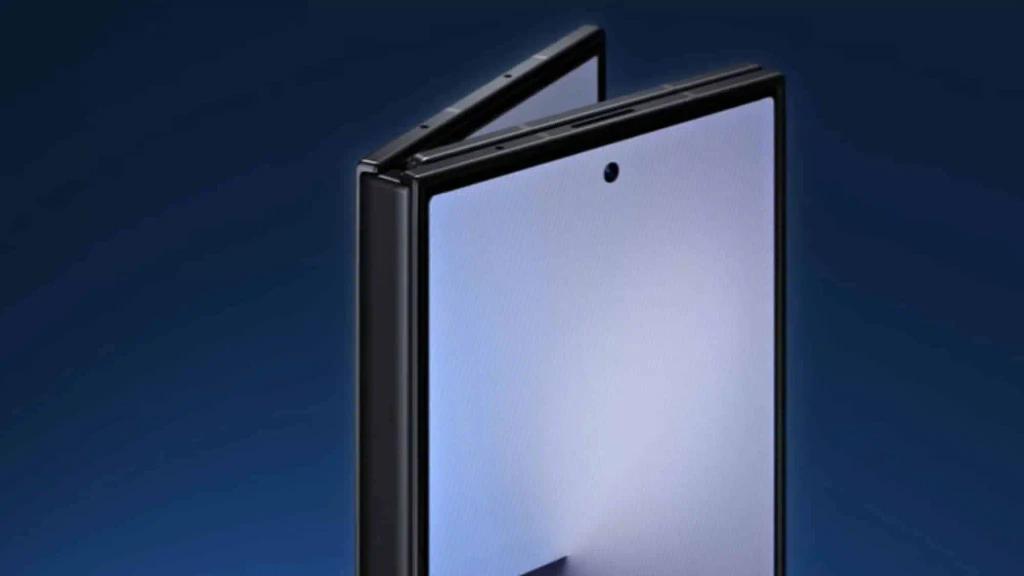
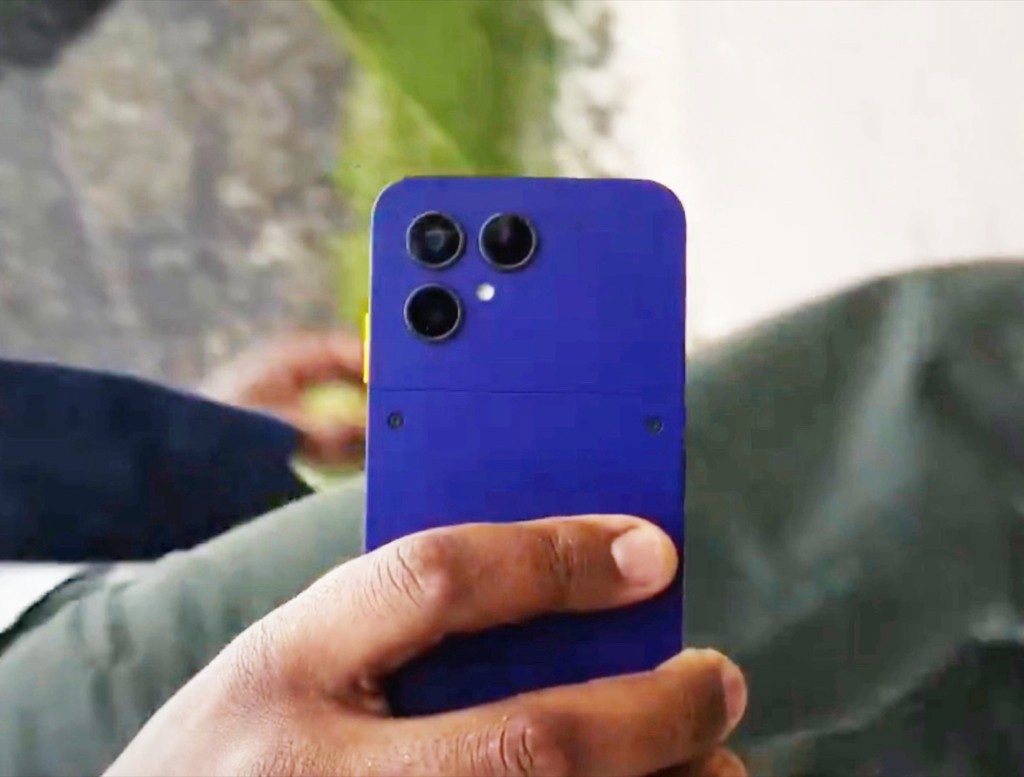
This week, Fairphone launches the Fairphone 6+ â a compact, modular phone built on a simple, almost radical idea: what if a phone was actually built to last?
Early reporting points to a removable battery, a repair-first modular design, and the kind of longevity-focused engineering that's basically extinct in mainstream flagships. It's expected to land around â¬649ââ¬690, positioned as a phone that competes less on raw spec-sheet bragging rights and more on something rarer: trust.
That's the real story behind any Fairphone 6+ review worth reading. It's not "does it beat the iPhone on camera zoom." It's "does it beat the iPhone on not becoming e-waste in 18 months."
For a growing number of people, that question just won.
Why Sustainable Tech Is Quietly the Smartest Move You Can Make
You don't need to be an activist to want gear that doesn't fall apart. It's just... smart.
Here's why buying tech that's built to last is quietly becoming the sharpest move â whether you're 15 and building your first side project or 25 and running your own thing:
It saves real money over time. A phone you can repair beats a phone you have to replace.
It's one less thing that breaks at the worst moment. A cracked screen shouldn't mean buying a whole new device.
It's a values signal that isn't fake. Actual repairability beats a marketing slogan every time.
It puts you ahead of where the rules are going. Right-to-repair laws are expanding fast â better gear now means fewer headaches later.
It's the actual disruption. When every "innovation" is a slightly thinner phone, longevity is the thing that's genuinely different.
The Bigger Shift Nobody's Naming Yet
The real story here isn't about phones. It's a full rewrite of what "premium" even means.
For decades, premium meant new. Now, for a lot of people about to build the next wave of projects, brands, and companies, premium means durable, repairable, and honest about how it's made.
That's not anti-tech. That's tech growing up.
The Bottom Line
Disposable tech had a good run. It sold a lot of phones and made a lot of landfill.
But more and more people â the ones building things, starting things, figuring things out â are looking at that model and saying: not with my money.
The Fairphone 6+ is one device. But it's a signal for where things are headed next.
So here's the real question: is repairable, built-to-last tech about to become the default â or will convenience always win?
Drop your take below. And if you're building something in this space, we're always paying attention.
About

Featured Posts